
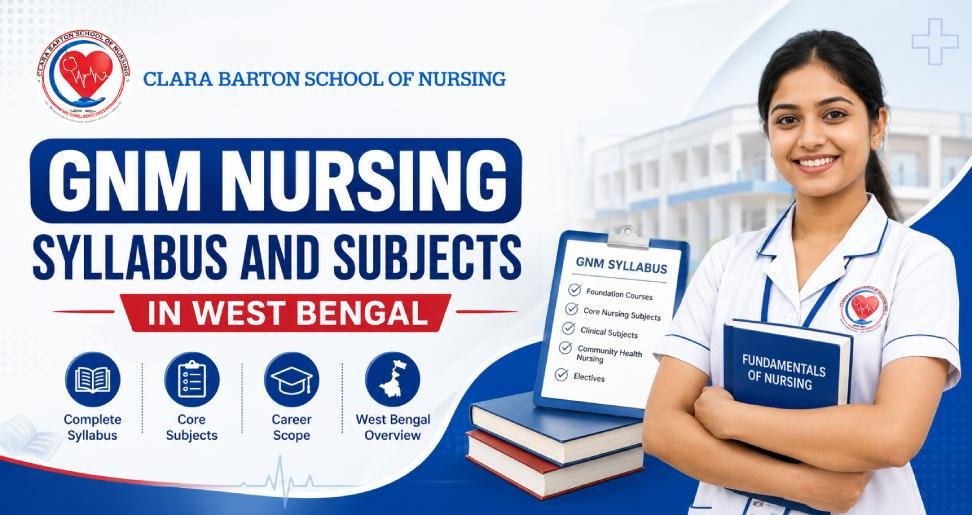
One question separates well-prepared nursing students from those who struggle later:
“What exactly will I study during the GNM course?”
At CBS Nursing, we have observed an interesting trend over the years. Students who take time to understand the GNM nursing syllabus before taking admission usually adapt faster, perform better academically, and feel more confident during clinical training.
The syllabus itself does not make the course easier—but knowing what lies ahead allows students to prepare mentally and academically. Instead of being surprised by the increasing workload, they understand how every subject contributes to becoming a skilled nurse.
This guide explains the GNM Nursing Syllabus 2026 in West Bengal, what you will learn each year, and how you can prepare for a successful nursing career.
Understanding the GNM Nursing Programme
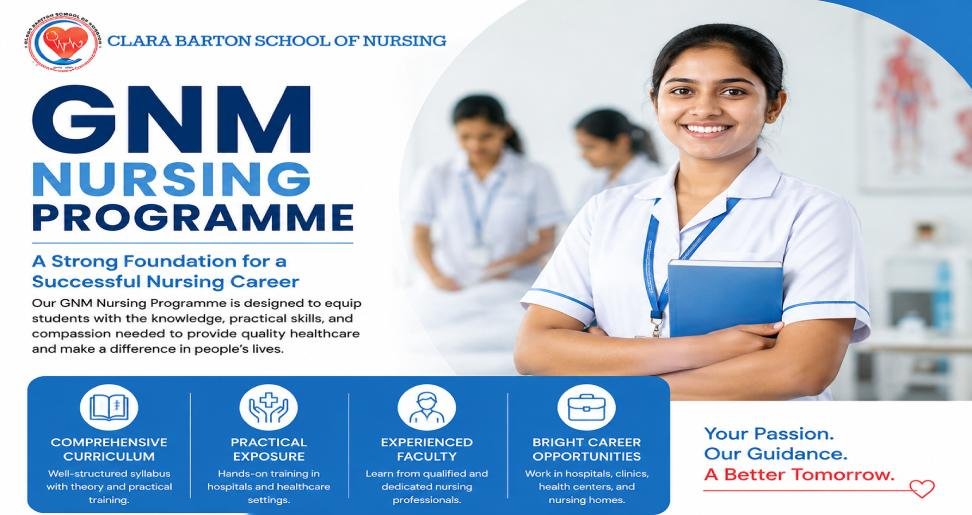
The General Nursing and Midwifery (GNM) programme is a 3-year diploma course followed by a 6-month compulsory internship. The curriculum is designed according to the guidelines of the Indian Nursing Council (INC) and the West Bengal Nursing Council (WBNC).
Unlike many diploma programmes, GNM follows a carefully planned learning sequence. Every year’s syllabus prepares students for the next stage.
For example:
- Anatomy learned in the first year helps students understand diseases later.
- Pharmacology introduced in the second year becomes essential during patient care.
- Clinical decision-making in the third year depends on knowledge gained throughout the course.
Skipping the basics makes advanced nursing much more difficult.
First Year GNM Nursing Subjects
The first year focuses on developing strong medical and nursing fundamentals.
Anatomy and Physiology
Students study the human body, its organs, body systems, and their functions. Understanding normal body functions helps identify diseases and provide proper nursing care later.
Microbiology
Students learn about bacteria, viruses, fungi, parasites, sterilization methods, and infection prevention. These concepts become essential during hospital training.
Psychology
Nurses work with patients experiencing pain, fear, stress, and emotional challenges every day.
Psychology teaches students how to communicate effectively, understand patient behaviour, and provide compassionate care.
Sociology
Healthcare is influenced by family, culture, community, and social conditions. Sociology helps future nurses understand patients beyond their medical condition.
Fundamentals of Nursing
This is where practical nursing begins.
Students learn:
- Bedside nursing care
- Patient hygiene
- Vital signs
- Nursing procedures
- Medical documentation
- Infection control
Clinical exposure also begins during this stage.
Community Health Nursing (Basics)
Students understand public healthcare systems, preventive healthcare, immunization, sanitation, and rural health services.
First Aid
Emergency care, CPR, bleeding control, fracture management, and patient stabilization are introduced before clinical postings.
Second Year GNM Nursing Subjects
The second year is widely considered the most demanding phase of GNM.
Theoretical knowledge increases while clinical responsibilities become more serious.
Medical-Surgical Nursing
Students study diseases affecting every major body system.
Topics include:
- Cardiac disorders
- Respiratory diseases
- Kidney diseases
- Gastrointestinal disorders
- Neurological conditions
- Surgical patient care
Students also learn medication administration and post-operative nursing.
Mental Health Nursing
Mental health nursing teaches students to care for patients with psychiatric disorders, emotional illnesses, and behavioral conditions.
The subject develops communication skills, empathy, observation, and patient counselling abilities.
Child Health Nursing
Children require completely different nursing care than adults.
Students learn:
- Child growth and development
- Pediatric diseases
- Childhood nutrition
- Vaccination
- Neonatal care
- Pediatric emergencies
Midwifery and Obstetric Nursing
This subject prepares students for maternal healthcare.
Students learn about:
- Pregnancy care
- Labour
- Childbirth
- Newborn care
- Postnatal nursing
- High-risk pregnancies
Clinical postings in maternity wards become an important part of training.
Third Year GNM Nursing Subjects
The final academic year prepares students for independent nursing responsibilities.
Advanced Medical-Surgical Nursing
Students handle more complex diseases and advanced patient care procedures.
Clinical judgment becomes more important than simple memorization.
Community Health Nursing
Students work with:
- Maternal healthcare programmes
- Child healthcare
- School health services
- Occupational health
- National health programmes
- Rural healthcare
This subject prepares nurses for both hospital and community healthcare settings.
Nursing Research and Statistics
Modern nursing depends on evidence-based healthcare.
Students learn:
- Research methods
- Data collection
- Statistics
- Reading clinical studies
- Applying research findings in patient care
These skills help nurses make informed clinical decisions.
GNM Nursing Syllabus 2026: Latest Updates
The latest curriculum focuses on preparing students for today’s healthcare environment.
Key additions include:
- Greater emphasis on evidence-based nursing
- Improved infection prevention protocols
- Mental health integrated across multiple nursing subjects
- Digital patient documentation
- Telemedicine support
- Updated clinical practice standards
- Patient safety initiatives
- Better interdisciplinary healthcare training
These updates reflect the changing healthcare system in India.
Is Nursing a Good Career?
One of the most common questions among students after Class 12 is:
Is nursing a good career?
The answer is yes.
Nursing remains one of the fastest-growing healthcare professions worldwide. Qualified nurses are required in:
- Government hospitals
- Private hospitals
- Nursing homes
- Community health centres
- Corporate healthcare
- NGOs
- Rehabilitation centres
- International healthcare organizations
Apart from job stability, nursing offers opportunities for career growth, higher education, specialization, and overseas employment.
Students who are compassionate, disciplined, and interested in patient care often find nursing to be a rewarding long-term profession.
How to Prepare for Nursing Exams
Many students ask how to prepare for nursing exams before joining GNM.
Some useful preparation strategies include:
- Build a strong foundation in Biology.
- Improve basic Anatomy knowledge.
- Read NCERT science books.
- Develop good English communication skills.
- Practice medical terminology regularly.
- Create short revision notes.
- Revise consistently instead of studying only before examinations.
- Focus on understanding concepts rather than memorizing answers.
Regular revision and practical exposure together improve examination performance.
Differences: GNM vs B.Sc Nursing
Many students compare diploma and degree nursing programmes before admission.
Differences: GNM vs B.Sc Nursing
| GNM Nursing | B.Sc Nursing |
|---|---|
| Diploma Programme | Bachelor’s Degree |
| Duration: 3 Years + Internship | Duration: 4 Years |
| Focus on practical nursing | Strong academic and research focus |
| Earlier entry into workforce | More higher education opportunities |
| Suitable for hospital-based careers | Suitable for clinical, teaching and leadership roles |
Both programmes provide excellent career opportunities. Students should choose according to their educational goals, career plans, and eligibility.
Certificates That Boost Nursing Careers
Along with the GNM qualification, additional certifications can improve career opportunities.
Some valuable certificates that boost nursing careers include:
- Basic Life Support (BLS)
- Advanced Cardiac Life Support (ACLS)
- Neonatal Resuscitation Program (NRP)
- Infection Control Certification
- Critical Care Nursing Courses
- Emergency Nursing Certification
- IV Therapy Training
- Digital Healthcare Documentation Courses
These certifications strengthen practical skills and enhance employability in hospitals across India and abroad.
Frequently Asked Questions ( FAQs ) :-
Ans :- The GNM syllabus in West Bengal includes Anatomy, Physiology, Fundamentals of Nursing, Medical-Surgical Nursing, Mental Health Nursing, Midwifery, Child Health Nursing, Community Health Nursing, Nursing Research, and a compulsory six-month internship.
Ans :- The 2026 syllabus follows the updated Indian Nursing Council curriculum with additional emphasis on evidence-based practice, digital healthcare documentation, infection control, mental health integration, and modern clinical skills.
Ans :- GNM is academically demanding, particularly during the second year when students manage advanced subjects alongside extensive clinical training. Consistent study habits and practical learning make the programme much easier to handle.
Ans :- Yes. Nursing offers stable employment, professional respect, career progression, and opportunities to work in hospitals, community healthcare, education, research, and international healthcare systems.
Ans :- Students should strengthen Biology fundamentals, study regularly, practice previous years’ questions, improve communication skills, and focus on understanding concepts instead of rote memorization.
Ans :- GNM is a diploma programme focused on practical nursing skills, whereas B.Sc Nursing is a bachelor’s degree offering deeper academic knowledge, research opportunities, and broader career pathways.
Ans :- Certifications such as Basic Life Support (BLS), Advanced Cardiac Life Support (ACLS), Infection Control, Emergency Nursing, Critical Care Nursing, and Neonatal Resuscitation can significantly improve career prospects.
Why Choose CBS Nursing?
At CBS Nursing, learning extends beyond classroom lectures. Students receive structured academic guidance alongside continuous clinical exposure, helping them connect theory with real-world patient care.
Experienced faculty members mentor students throughout the programme, ensuring they develop both technical competence and professional confidence. The curriculum is aligned with the latest INC and WBNC guidelines, preparing graduates for hospital, community, and specialized healthcare settings.
Whether you need guidance about the GNM Nursing Syllabus 2026, admission eligibility, career opportunities, or choosing between GNM and B.Sc Nursing, the team at CBS Nursing is ready to support you in making an informed decision and building a successful future in nursing.